12 Warning Signs of Electrical Problems in Your Dubai Home
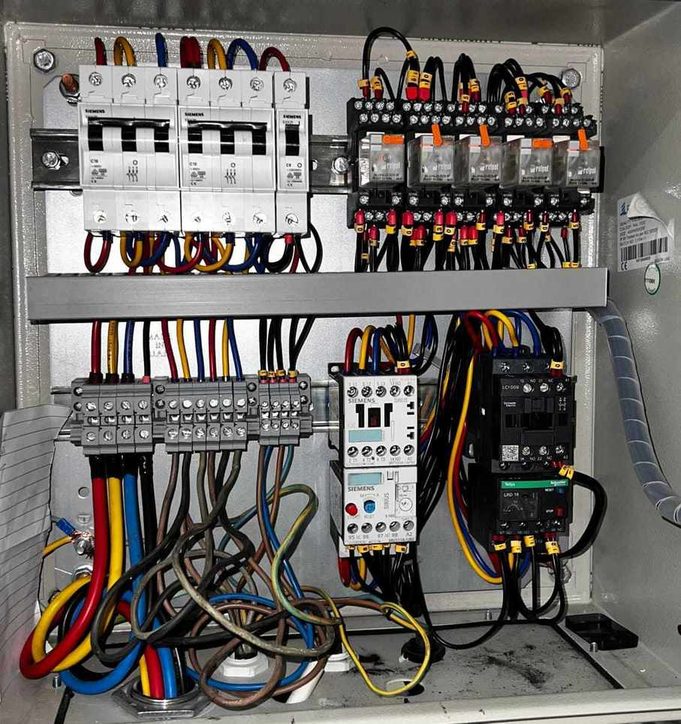
Electrical problems in Dubai homes can range from minor annoyances to life-threatening hazards. In the UAE, faulty electrical systems are among the leading causes of residential fires, causing millions of dirhams in damage and putting families at risk every year.
The key to preventing electrical disasters is recognizing the warning signs early. Many serious electrical problems start with subtle symptoms that homeowners often ignore—until it's too late. This guide will teach you to identify 12 critical warning signs that indicate your Dubai home may have dangerous electrical issues.
Table of Contents
- Why Electrical Safety Matters in Dubai
- 1. Burning Smell from Outlets
- 2. Frequent Circuit Breaker Trips
- 3. Flickering or Dimming Lights
- 4. Sparks from Outlets
- 5. Warm or Discolored Wall Plates
- 6. Buzzing or Humming Sounds
- 7. Electric Shocks
- 8. Dead or Non-Working Outlets
- 9. Burning or Melted Wires
- 10. High Electricity Bills
- 11. Old or Outdated Wiring
- 12. Frequently Blown Fuses
- What to Do in an Electrical Emergency
- Preventing Electrical Problems
- Frequently Asked Questions
Why Electrical Safety Matters in Dubai
Dubai's unique environment creates specific challenges for electrical systems:
- Extreme Heat: Summer temperatures exceeding 45°C can cause wiring insulation to degrade faster
- High Humidity: Coastal areas see 80-90% humidity, increasing corrosion risk on electrical connections
- Heavy AC Load: Air conditioning running 6-8 months a year puts enormous strain on electrical systems
- Older Buildings: Many Dubai properties have wiring that wasn't designed for modern electrical demands
- Voltage Fluctuations: Power surges can damage sensitive electronics and stress electrical components
According to Dubai Civil Defence, electrical faults cause approximately 30% of residential fires in the emirate. Recognizing warning signs early can save lives and prevent property damage.
1. Burning Smell from Outlets or Switches HIGH RISK
A burning or smoky smell coming from outlets, switches, or your electrical panel is one of the most serious warning signs. This indicates that wires or electrical components are overheating and potentially melting.
Common Causes:
- Overloaded circuits generating excessive heat
- Loose wire connections creating arcing
- Damaged or deteriorating wire insulation
- Faulty outlet or switch mechanism
- Rodent damage to wiring (common in villas)
2. Frequent Circuit Breaker Trips HIGH RISK
While occasional breaker trips are normal (especially when starting high-power appliances like AC units), frequent trips indicate a serious problem. Your circuit breaker is a safety device—repeated trips mean it's constantly protecting you from a potential hazard.
Common Causes:
- Overloaded circuit (too many appliances on one circuit)
- Short circuit in wiring or an appliance
- Ground fault (especially in wet areas like bathrooms)
- Faulty or worn-out circuit breaker
- Undersized electrical panel for home's needs
- Arc fault in hidden wiring
3. Flickering or Dimming Lights MODERATE
Lights that flicker, dim unexpectedly, or brighten suddenly can indicate various electrical issues. While sometimes harmless, persistent flickering often points to underlying wiring problems.
Common Causes:
- Loose light bulb (simple fix)
- Faulty light switch or dimmer
- Loose wiring connections in the circuit
- Overloaded circuit (lights dim when AC starts)
- DEWA voltage fluctuations
- Problems with the main electrical panel
- Failing neutral connection (very dangerous)
4. Sparks from Outlets or Switches HIGH RISK
Visible sparks when plugging in or unplugging devices is a serious warning sign. While a tiny, brief spark can be normal (due to electricity seeking the path of least resistance), large, frequent, or prolonged sparks indicate danger.
Common Causes:
- Short circuit within the outlet
- Water damage to the outlet
- Worn out outlet (loose connections inside)
- Improper outlet installation
- Overheated or damaged wiring
5. Warm or Discolored Wall Plates HIGH RISK
Outlet and switch covers should never feel warm to the touch. Heat indicates that electricity is not flowing properly and is being converted to heat energy—a fire hazard. Discoloration (browning or yellowing) around outlets shows past or ongoing heat damage.
Common Causes:
- Loose electrical connections
- Overloaded outlet or circuit
- Undersized wiring for the load
- Faulty outlet mechanism
- Aluminum wiring issues (older buildings)
6. Buzzing or Humming Sounds MODERATE
Electrical systems should operate silently. Buzzing, humming, sizzling, or crackling sounds from outlets, switches, or your electrical panel indicate problems with the electrical flow.
Common Causes:
- Loose wiring connections
- Faulty outlet or switch
- Problems in the circuit breaker panel
- Ground fault issues
- Loose prongs on a plug (in the appliance)
- Mismatch between outlets and devices
7. Electric Shocks When Touching Appliances HIGH RISK
Feeling a shock or tingling sensation when touching appliances, outlets, or light switches is a serious safety issue. Even mild shocks indicate that electricity is escaping its intended path.
Common Causes:
- Faulty grounding in the electrical system
- Damaged appliance with exposed wiring
- Moisture in outlets or switches
- Incorrect wiring (hot and neutral reversed)
- Damaged wire insulation
8. Dead or Non-Working Outlets LOW (with exceptions)
An outlet that suddenly stops working may seem like a minor inconvenience, but it can indicate hidden problems. While sometimes caused by a simple tripped breaker, persistent dead outlets need investigation.
Common Causes:
- Tripped circuit breaker or blown fuse
- Tripped GFCI outlet (in bathrooms/kitchens)
- Loose wire connection at the outlet
- Burned-out outlet mechanism
- Damaged wiring inside the wall
- Pest damage to wiring
9. Visible Wire Damage or Melting HIGH RISK
If you can see damaged wiring—frayed insulation, exposed copper, melted plastic coating, or burn marks—you have a serious fire hazard that requires immediate attention.
Common Causes:
- Rodent or pest damage
- Overheating from overloaded circuits
- Age and deterioration of insulation
- Physical damage during construction/renovation
- Poor quality wiring or installation
- Heat exposure (wires too close to hot surfaces)
10. Unusually High Electricity Bills MODERATE
A sudden spike in your DEWA bill without changes in usage patterns could indicate electrical problems causing energy waste. Faulty wiring and malfunctioning devices can consume significantly more electricity.
Common Causes:
- Electrical leakage (current escaping through faulty insulation)
- Malfunctioning appliances working harder than necessary
- Old AC units losing efficiency
- Devices drawing power even when "off" (standby power)
- Damaged wiring causing resistance and heat
- Meter problems (less common)
11. Old or Outdated Wiring MODERATE
If your Dubai home is more than 20-25 years old and hasn't been rewired, you may have outdated wiring that can't safely handle modern electrical demands. Older buildings may have aluminum wiring, which poses additional risks.
Why Old Wiring is Dangerous:
- Insulation degrades over time, especially in Dubai's heat
- Older systems weren't designed for today's electrical load
- Aluminum wiring (pre-1990s) expands/contracts differently than copper
- Old fuse boxes lack modern safety features
- Wiring may not meet current DEWA standards
12. Frequently Blown Fuses MODERATE
If certain fuses blow repeatedly (more common in older Dubai properties that still use fuse boxes), it indicates a persistent electrical problem that needs addressing.
Common Causes:
- Circuit overload (too many devices)
- Short circuit in wiring or appliance
- Wrong fuse size installed
- Faulty appliance on the circuit
- Aging wiring unable to handle load
What to Do in an Electrical Emergency
Electrical Emergency Response Steps
- Stay Calm – Panic leads to dangerous mistakes
- Don't Touch – Never touch someone who is being electrocuted; you could be shocked too
- Cut the Power – Turn off the main breaker if safe to do so
- Evacuate if Necessary – If you smell smoke or see fire, get everyone out immediately
- Call for Help – Emergency: 997 | Police: 999 | Electrician: +971-52-962-2345
- Don't Re-enter – Wait for professionals to clear the property
- Document – Take photos for insurance purposes once safe
Emergency Contacts for Dubai
| Service | Contact Number |
|---|---|
| Dubai Civil Defence (Fire) | 997 |
| Dubai Police | 999 |
| Ambulance | 998 |
| DEWA Power Emergencies | 991 |
| Sama Electec Emergency Electrician | +971-52-962-2345 |
Preventing Electrical Problems
Prevention is always better than dealing with emergencies. Follow these guidelines to keep your Dubai home's electrical system safe:
Regular Maintenance
- Annual Inspections: Have a licensed electrician inspect your system yearly
- Test RCD/ELCB Monthly: Press the test button on your safety switch
- Check Outlets Regularly: Look for discoloration, damage, or loose fittings
- Service Your DB: Have your distribution board inspected every 2-3 years
Safe Usage Habits
- Don't Overload Outlets: Avoid using multiple adapters on one outlet
- Use Surge Protectors: Protect sensitive electronics from voltage spikes
- Unplug When Not in Use: Especially for high-power devices
- Check Cords: Replace any damaged appliance cords immediately
- Keep Water Away: Never use electrical devices near water
Warning Signs Checklist
- ☐ Test all RCD/ELCB safety switches
- ☐ Check outlets for warmth or discoloration
- ☐ Listen for any buzzing or humming sounds
- ☐ Ensure all outlet and switch covers are secure
- ☐ Check for any flickering lights
- ☐ Verify smoke detectors are working
- ☐ Note any unusual electrical behavior
Concerned About Your Home's Electrical Safety?
Don't wait for a warning sign to become an emergency. Sama Electec offers comprehensive electrical safety inspections for Dubai homes and businesses.
Book Safety Inspection24/7 Emergency Line: +971-52-962-2345
Frequently Asked Questions
Stay Safe, Stay Alert
Electrical safety is not something to take lightly. The warning signs covered in this guide can help you identify problems before they become emergencies. Remember:
- Trust your senses—if something smells, sounds, or looks wrong, investigate
- Never ignore recurring problems—they usually get worse
- DIY electrical work is illegal in Dubai and extremely dangerous
- When in doubt, call a licensed electrician
- Regular inspections are an investment in safety
Your family's safety depends on a well-maintained electrical system. If you've noticed any of the warning signs in this article, don't wait—contact a professional electrician today.
